
Transforming Sexual Health Education through Developmental Science: Explore the Science
The Developing Adolescent Brain
It was once thought that the developing brain fully matured by the time of elementary school. We now know that the brain is under construction until the mid-20’s.
Adolescent brains are not like adult brains, and for good reason! The adolescent brain is wonderfully designed to encourage adolescents to seek out and navigate new social contexts and explore their own adult identity outside of their family of origin.
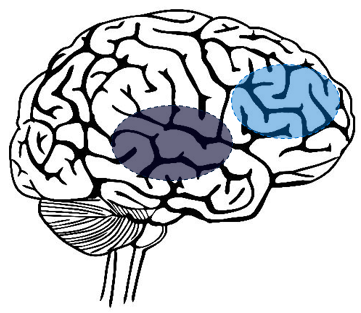
These traits are critical for a successful transition into adulthood. Click on the regions in the image to learn more about the unique brain changes that occur in adolescence.
Watch Video for an Overview of Adolescent Brain Development
Three Developmental Science Principles Applied to Adolescent Sexual and Reproductive Health
During the 2017 Kirby Summit, we applied three developmental neuroscience principles to the field of adolescent sexual and reproductive health. We focused on these three principles because they pushed the boundaries of current practices in adolescent sexual and reproductive health and offered the greatest opportunities to strengthen the messages and strategies that are currently used.
Explore the links below to learn more about these three principles.

Emotion, Affect and Arousal
In moments of high emotional arousal (e.g., in new situations, with friends, in romantic relationships), adolescents’ decisions are based more on what they’re feeling and less on what they’re thinking.
READ THE BRIEF
WATCH THE VIDEO
FAQ

Peer Presence and Influence
The presence of peers activates the reward centers of the adolescent brain, and this influences adolescent sensation-seeking behavior. Adolescents are also motivated by peer acceptance.
READ THE BRIEF
WATCH THE VIDEO
FAQ

Autonomy and Social Status
Changes in hormones, like testosterone, at the time of puberty leads to heightened sensitivity to social rewards. Adolescents are highly motivated by their desire for social status and autonomy.
READ THE BRIEF
WATCH THE VIDEO
FAQ